The Mask
Notes
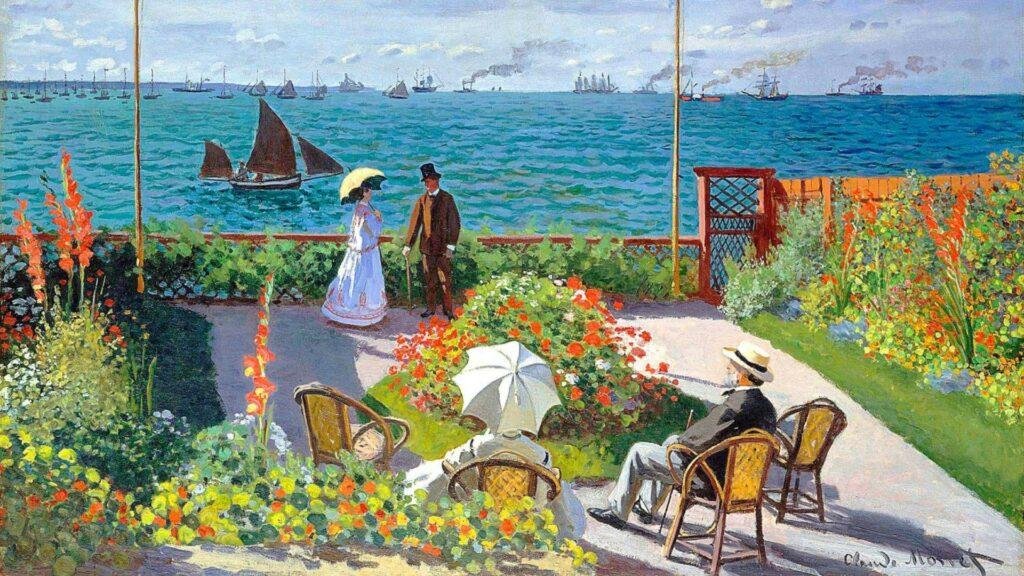
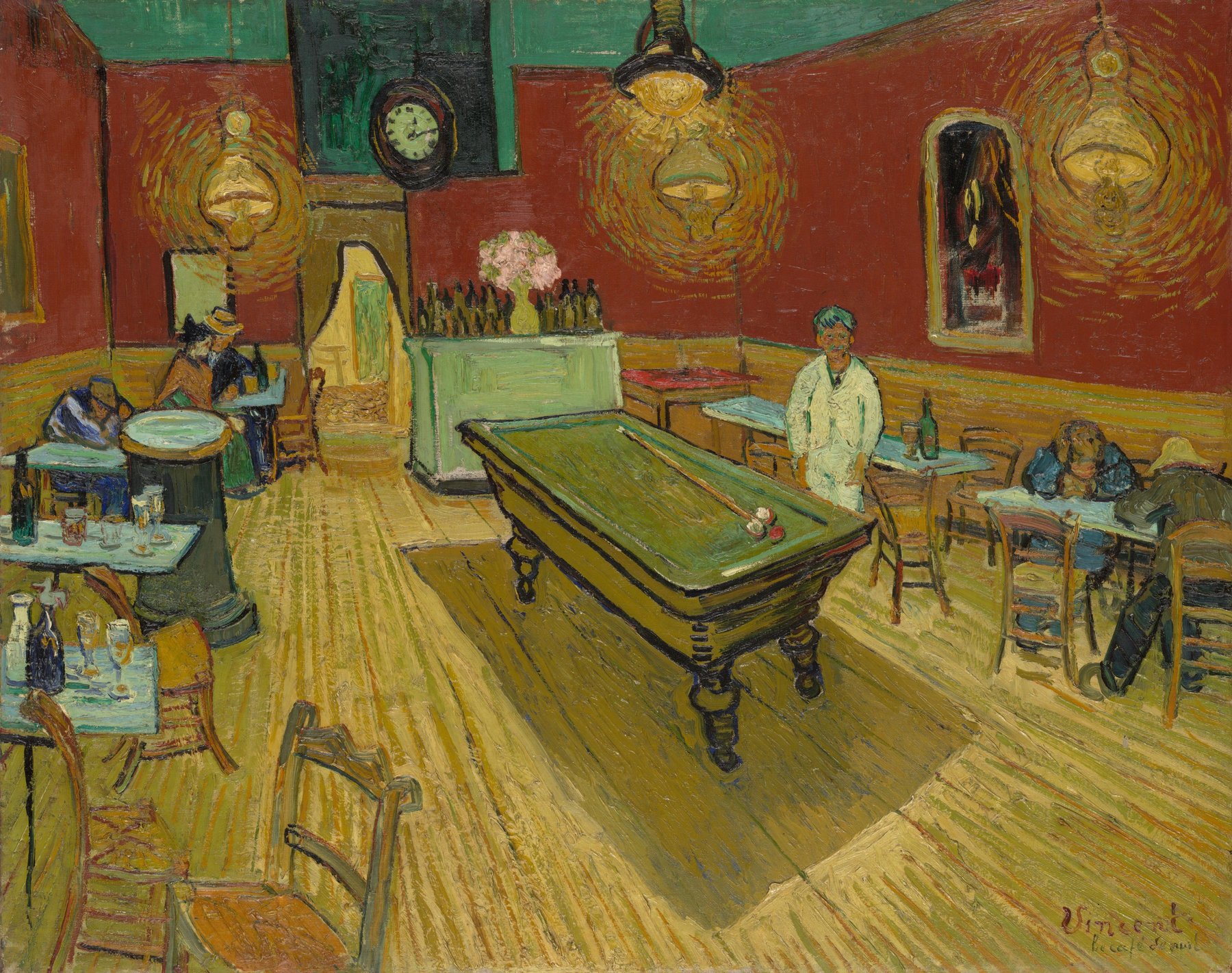
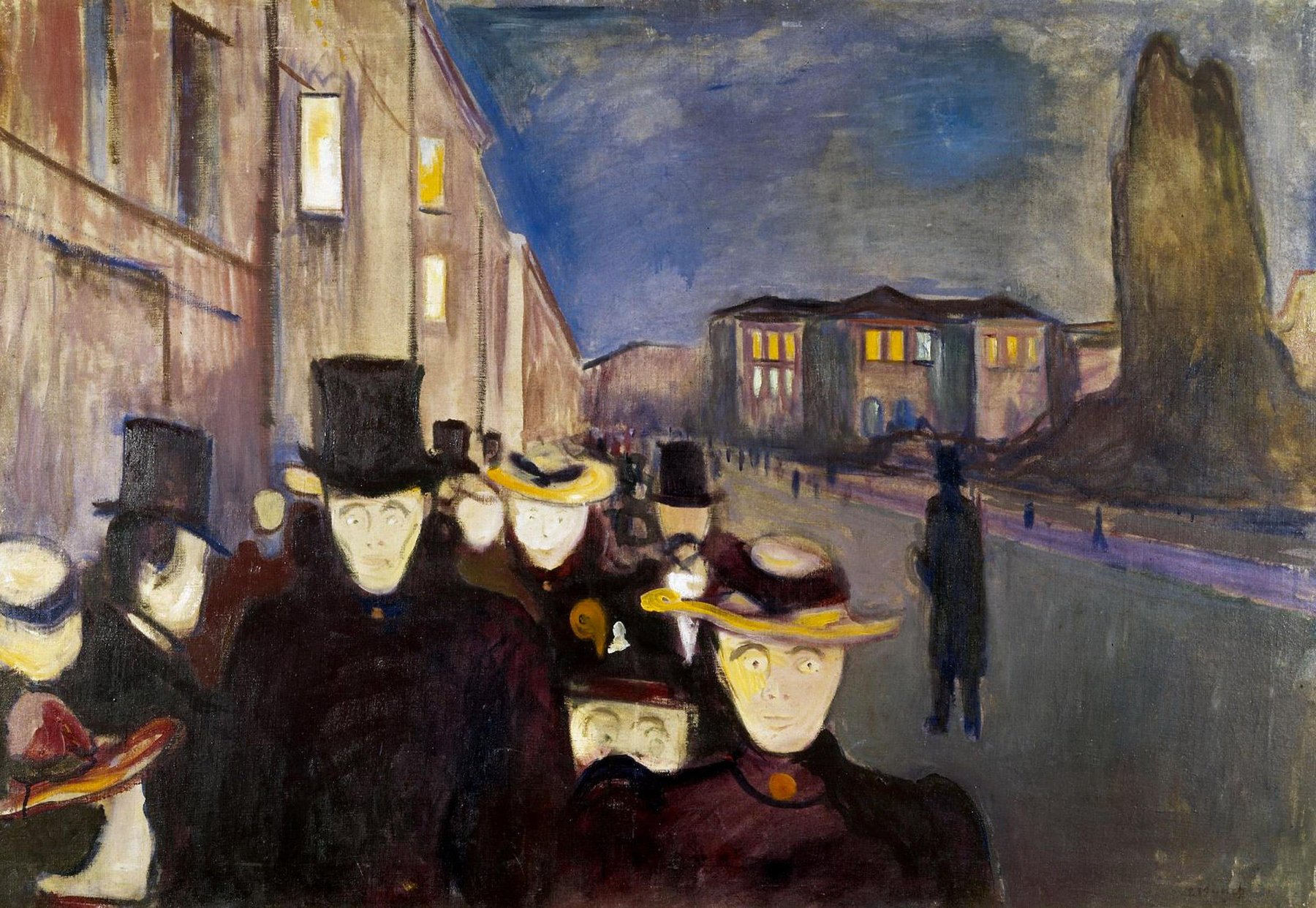
This month’s header brings together three masterpieces that explore three dimensions of The Mask: Claude Monet’s Garden at Sainte-Adresse (1867): Performance. An idyllic gathering overlooking the sea presents the carefully composed world of bourgeois leisure. Beneath its apparent harmony lies the social theatre of class, propriety, and belonging. The figures inhabit their roles almost as naturally as the landscape around them, suggesting how performance becomes inseparable from everyday life. Vincent van Gogh’s The Night Café (1888): Concealment. Beneath the harsh artificial light of a nearly deserted café, figures sit together yet remain profoundly isolated. The familiar rituals of public life offer little comfort against private loneliness. Van Gogh transforms an ordinary social interior into a psychological landscape, where proximity conceals the distance between individuals. Edvard Munch’s Evening on Karl Johan Street (1892): The Social Self. A procession of formally dressed figures advances through the city, their pale, almost mask-like faces stripped of individuality. The crowd becomes a disturbing image of collective identity, where conformity replaces expression and the individual disappears into the expectations of society. Together, they frame November’s theme: from the performances through which we establish our place in the world, to the private lives concealed beneath familiar appearances, to the social masks that gradually become indistinguishable from the selves we inhabit.